The Bel Paese is home to probably the best food in the world. In fact, it has recently made it to the news that, according to Taste Atlas, Italy’s cuisine ranks first among the best gastronomies in the globe (with our beloved Greek cuisine coming a close second).
Honestly, we couldn’t agree more! If you’ve read our guide to Italian food region by region, it won’t be hard to understand why Italy’s gastronomy is praised as one of the tastiest food experiences you could ever have.
Fresh ingredients, simple flavors, genuine products, seasonality, Mediterranean diet… these are some of the ingredients that distinguish the local food.
As a result, Italy is a great destination for gastronomic and wine tourism, a paradise for foodies, and a country where you will certainly want to enjoy your time at the table.
To do so in the best possible way, we have designed this list of the most important Do’s and Don’ts of eating in Italy for a really enjoyable experience. If you’re making your first trip to Italy, also read the 40 best tips for traveling in Italy.
This post may contain affiliate links and Solo Trips and Tips may receive a commission for purchases made through links. See our disclosure about affiliate links
1. Don’t Fall for Tourist Traps
Even when we feel that this is sound advice for any destination you’re traveling to, it is especially relevant when it comes to Italy, mostly when visiting the highly touristic areas of the country.
If you want to avoid eating food that is not fresh, overpriced, and does not cater to anybody’s taste, then follow the locals.
Eat where the Italians eat.
Choosing a rustic trattoria might be less elegant or not as romantic as dining in a street restaurant like the ones you might have seen in many Hollywood movies (Eat, Pray, Love comes to mind, right?) However, this will guarantee that the food will be authentic, affordable, and delicious.
2. Do Have a Whole Pizza
Unlike many other countries where pizza is a dish to share, in Italy, it is common to have a full pizza all for yourself during either lunch or dinner.
Although some restaurants offer the possibility to have a small-sized pizza, most of them don’t, so don’t feel overwhelmed when you see a huge pizza arriving at the table.
There’s not much to worry about, though.
Pizza in Italy tends to be very light, while its typically thin crust makes it easy to eat and quick to digest. It might seem like too much the first time you go for it, but as time goes by, you’ll get used to having a whole pizza for yourself.
The trick? Order simple varieties with fewer ingredients for the topping; that will make your pizza even lighter and easier to finish on your own.
If having a whole pizza at a restaurant still seems like too much, then try pizza al trancio.
This is a common way to buy just a portion of pizza and eat it on the go.
Pizza al trancio often has a thicker crust and more toppings, so one or two portions will be enough to satisfy you. This kind of pizza is easy to find in Rome, while the whole pizza is most commonly served in the south.

3. Do Keep it Regional
Every Italian region has its own dining traditions, recipes, and ingredients of which they’re proud.
And learning at least the basics of what dishes distinguish every region will make your dining experience more pleasant.
Do not order Milanese risotto in Naples or Pasta alla Sorrentina in Rome…
The best thing you can do is have a list of the landmark dishes of every Italian region to have authentic and fresh food everywhere you go—yes I have it right here for you!
List of Italian Food by Region
- In Naples, go for Margherita pizza, Pastiera cake, and Babà al rum. And if you’re in the mood to experience something different, try pizza fritta (fried pizza)
- Further south, in Sicily, try arancini (fried rice balls filled with cheese)
- On the Amalfi coast, try lemoncello and Sorrentina
- In Rome, try Amatriciana pasta and Carbonara
- In Florence, go for Fiorentina steak, gelato, and Tuscan wines
- In Turin, try bagna cauda and the local chocolate
- In Genoa, pasta al pesto is a must together with Focaccia
- In Milan, order risotto alla Milanese, Gorgonzola cheese, and any dish with porcini mushrooms
- Finally, in Venice, rise with peas (risi e bisi) and local sardines are two staples not to miss
4. Don’t sit for that morning coffee
It is well known all over the world that Italians love their cappuccinos and espressos, but they do not spend the time to sit and enjoy them at a table in the morning.
The local tradition requires ordering it at the bar and drinking it quickly and standing, oftentimes with a cornetto (the local version of croissant).
Don’t worry, Italian coffee is not served boiling hot, so you will be able to copy the local tradition of having your cuppa in just two or three sips.
5. Do Book a Food Tour in Italy
When you have little time to spend in a city, chances are that you won’t have enough time to try most of the local dishes.
That’s when food tours come to the rescue, and that is exactly what food tours are great for!
In just a morning around town, you will be able to taste some of the most delicious local staples, often also hearing about food traditions and local history.
There are great food tours in many Italian cities.
And they can be a great opportunity to approach the local cuisine when traveling solo as well. Moreover, you can make friends with other travelers and share unforgettably tasty experiences.
These are some of the food tours in Italy I recommend:
- Rome – Street Food Tour with Local Guide: This is a perfect opportunity to get a go at local cold cuts, pizza al trancio, and other small bites, including artisanal supplì (fried mozzarella rice balls), and typical seasonal dishes from Rome’s Jewish Quarter as well as gelato. You will also wash down some of the bites with local wine and beers.
- Florence – Chianti Wineries Tour with Food and Wine Tasting: Super value for money if you’re a wine lover. This tour takes you on a discovery journey along the verdant hills of the Tuscany region to try some unique wines and delicious homely food in one of the many farms and wineries in the area.
- Venice – Islands Day Tour: Pair this boat trip to Murano and Burano islands in Venice with a delicious fish lunch, typical of the area.
- Milan – 5-Hour Cookery Class and Market Tour: Is there a better souvenir from a country than a cooking lesson? You’ll be taking home with you unforgettable memories and delicious recipes to recreate back home when travel blues strike! Enjoy a day at the local market and in an authentic Italian home learning the secrets of Italian cuisine—book a tour today!
6. Don’t Overlook the Experience of Street Markets
If you’re traveling on a budget or do not have enough time or resources for a food tour, don’t worry; you can craft your own food experience by visiting the local food markets!
There are dozens of great street markets that you can visit, some of them not only selling fresh regional products but also already made street food.
You can even buy some bread, fresh tomatoes, some salami, cheese, and mortadella, and pack everything in a bag for a picnic in any of the many piazzas around the country.
It will be an experience to remember.
No idea what markets to visit? Check these out:
- Rome: Mercato Testaccio, Mercato Trionfale, or Mercato Campo de’ Fiore.
- Florence: Mercato di Sant’ Ambrogio or Mercato Centrale.
- Venice: Mercati del Rialto.

7. Don’t Have a Cappuccino After Lunch
Although many of us do so in any other country, this is a big no-no in Italy if you don’t want people to understand that you’re a tourist.
As a general rule, cappuccino is a breakfast beverage that Italians never order after, let’s say 11 am.
If you’d like a cup of coffee after your lunch, go for an espresso.
However, this is not such a strict rule. I lived in Italy for over twenty years, and have many times had an afternoon hot cappuccino with a cornetto, especially during those cold, rainy afternoons so typical of Italian winters.
I’ve done so in different towns, and I was never given an eye roll or criticized by the locals.
8. Do Order your Coffee Like a Local
Follow these instructions to order coffee in Italy.
- Head to the cash register at the bar and order “un espresso, per favore,” pay, and grab the ticket (scontrino).
- Take the ticket to the bar and give it to the barista, who will make your cuppa. In case you also ordered a cornetto, he might ask you if you want it vuoto (plain), con la marmellata (with jam), alla crema (with custard), or al cioccolato (with chocolate or Nutella).
- You can add sugar to your coffee when it arrives, drink it, and leave a small tip to the barista if you wish.
9. Do Go for Aperitivo
A tradition that gains more and more followers all over the country is the Aperitivo Hour.
Usually at around 7 pm, right before dinner, locals love to gather in their bar of choice to enjoy the Italian Aperitivo experience.
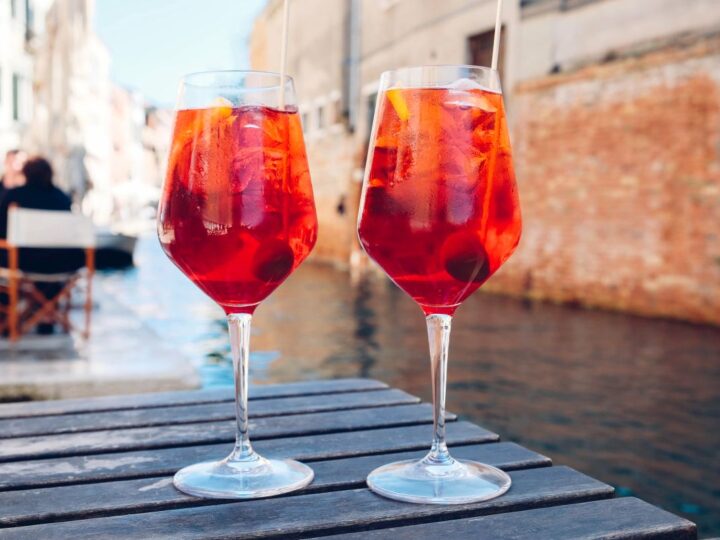
Usually, for the price of a drink, which can range from a glass of wine to a Campari, a cocktail such as Negroni, Aperol Spritz, or Bellini, but also a glass of Prosecco, or a simple non-alcoholic drink, such as a juice or a ginger drink (the local Crodino is a very tasty popular choice), you also get access to a variety of small bites and finger food.
The small bites can range from simple chips and olives to more refined slices of pizza, pasta salads, cold cuts, mini panini, and many more tidbits that vary in taste and creativity according to the season.
This is an excellent opportunity to mingle with locals and engage in conversation with new people, especially if you’re traveling solo in Italy.
10. Don’t Rush
While morning coffee is consumed quickly while standing, that does not apply to lunch in Italy (and of course neither to dinner!).
Italians do take their time when it is time to sit at the table and often enjoy a complete lunch made of a starter and a first dish (sometimes they even have a second dish), with wine and even a sweet (dolce).
If you’re on the run, sightseeing, and with little time to spare, it is also ok to grab a quick panino. Just imagine all those delicious Italian cold cuts and cheeses, panini can easily become your food of choice!
However, do try to have at least one pasto completo (full meal) for lunch in Italy to experience the wonderful food ritual that has made the Italian table famous all over the world.
Curious about the parts of a full Italian meal? These are the common words you should remember:
- Antipasto (starter or appetizer, oftentimes a cold dish).
- Primo (a pasta starter, or risotto dish, especially in the north).
- Secondo (main dish, often meat or fish).
- Contorno (side dish that comes with the secondo) which can be salad, baked potatoes, French fries, or grilled veggies).
- Dolce (dessert with can be anything from fruit to a more elaborate sweet such as tiramisù or gelato).
- Espresso (most Italians have a coffee after lunch and dinner).
- Don’t forget to add pane (bread) or grissini (bread sticks) and vino (wine).
LEARN MORE: 15+ Best Desserts to Try in Italy
11. Do Indulge in Pasta
Although you might not eat pasta as often when in your own country, Italians really love their pasta, and they often eat it every day!
It is a common first dish and, in many households, it is often the usual (and only) midday dish.
But be creative! Ditch the traditional tomato sauce or pasta al pomodoro (ok, do try it at least once), and then go for different pasta shapes, pasta with fillings such as ravioli, lasagna, or cannelloni, and Italy’s incredible selection of sauces.
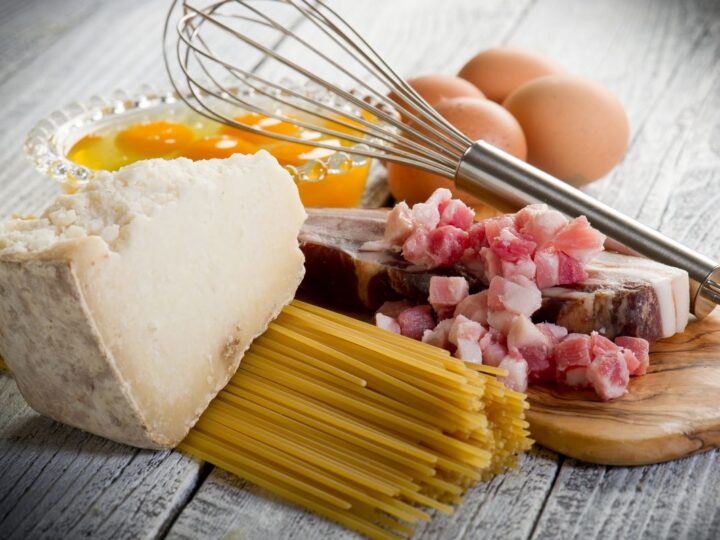
Choose unique sauces including amatriciana, carbonara, and pesto, but also more original ones, such as noci sauce (a creamy pesto made with walnuts), or Sicilian pesto, made with ricotta cheese.
Don’t forget pasta with mushrooms in the mountains and pasta or risotto with seafood in seaside towns (pasta ai frutti di mare or pasta allo scoglio are two fantastic pasta dishes with tons of seafood, garlic, and tomato sauce).
Because, trust me, it’s really easy to get used to having pasta every single day if you vary your sauces and pasta varieties.

12. Don’t Expect Spaghetti with Meatballs
Forget about dishes such as spaghetti with meatballs or pasta Alfredo; they are the American version of Italian food that you won’t find anywhere on the Italian Peninsula.
Oh, and also, do not ask for pineapple pizza.
And if you order a pepperoni pizza, expect lots of red and green peppers on your pizza.
For your idea of pepperoni, you might want to order a pizza al salame, pizza alla salamella, pizza alla diavola, or a pizza alla Calabrese.
Final Thoughts
No matter what rules you choose to follow or which ones you choose to break, the best suggestion that we can give you is to enjoy your Italian culinary journey as much as you can.
Taste as many different flavors as you’re offered, and don’t be afraid of tasting unusual combinations. Italian cuisine is all about creativity, rich ingredients, and no regrets! There is always going to be plenty of time to go on a diet once you get back home!
Save this to Pinterest for later!

About the Author

Gabi Ancarola is a translator and travel journalist living in Crete. She regularly writes about Europe for several magazines about travel, gastronomy, and hospitality. She has published several travel guides about Greece and plans customized trips to the Greek islands. She loves cooking local dishes, taking photos, and driving on the mountain roads of Crete.